Mrs. Clay’s Dough Day & Slow Fermentation Guide
A gentle bread rhythm for family kitchens, thoughtful cooks, and bread made with love
❤️ Why This Post Exists
This post is for my family first.
It’s for the children who have grown up watching dough rise on the counter, rolls brushed with butter at the stove, and dinner shift at the last minute because life happened.
It’s also for the cook who wants confidence instead of confusion, flavor without waste, and bread that feels familiar — the kind you close your eyes and swear came from the store, only better.
Calling this Mrs. Clay matters to me. It reminds me that cooking has always been an act of care, steadiness, and love in our home.
🍞 The Heart of “Dough Day”
Dough Day is not about efficiency.
It’s about possibility.
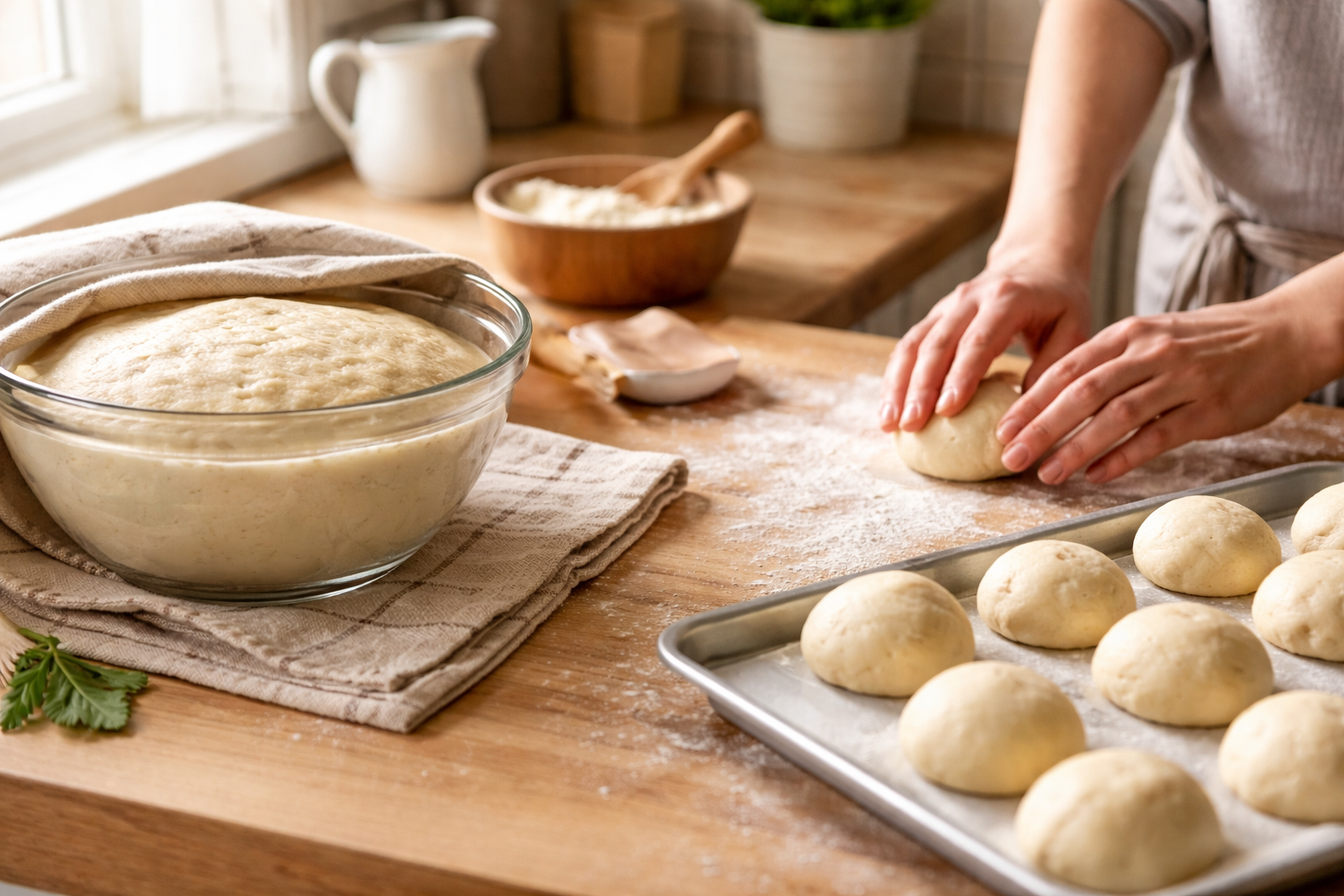
One calm afternoon, you make a single, well‑balanced dough and place it in the refrigerator. Over the next few days, that dough quietly improves — becoming rolls, sliders, or buns as the week unfolds.
This rhythm allows for:
- Slow fermentation (better flavor, no yeast bite)
- Less waste
- More flexibility when plans change
- Familiar results your family loves
🍞 Mrs. Clay’s Everyday Dough Day Bread Dough
A single, flexible dough designed for slow fermentation and family meals
This is the dough referenced throughout this guide. It is intentionally mild, forgiving, and dependable — meant to give you freedom during the week, not pressure.
Ingredients
- 4 cups bread flour (King Arthur recommended)
- 1½ teaspoons salt
- 1½ teaspoons sugar
- 1 teaspoon instant yeast
- 1 cup warm milk (about 100°F)
- 2 tablespoons butter, softened
- 1 large egg
Optional softening blend:
Replace up to ½ cup of the bread flour with 00 flour for extra tenderness. This is especially lovely for dinner rolls and slider rolls.
Instructions
- In a large bowl, whisk together flour, salt, sugar, and yeast.
- Add warm milk, softened butter, and egg.
- Mix until a soft, slightly tacky dough forms.
- Knead gently until smooth and elastic, about 6–8 minutes.
- Place dough in a lightly oiled bowl.
- Cover tightly and refrigerate immediately.
Cold ferment: Use between 24–48 hours for best flavor and texture.
🌾 Understanding Slow Fermentation (Simply)
Slow fermentation means letting dough rise cold and slowly in the refrigerator.
This does a few important things:
- Removes raw flour taste
- Softens yeast flavor
- Improves texture
- Creates bread that tastes clean and familiar
This is not sourdough.
There is no tang, no sharpness — just depth and comfort.
🧠 How to Think About Cold Dough
Cold dough has different “states.” Learning to notice them is the key to confidence.
1. Cold & Tight
- Just out of the fridge
- Gluten feels firm
- Dough may spring back
2. Relaxed & Workable
- After resting 20–30 minutes
- Dough feels cooperative
- Easier to shape gently
3. Puffy & Active
- Fully proofed
- Ready to bake
You move dough between these states intentionally, depending on what you’re making.
🌸 When to Rest Dough Before Shaping
Let dough rest when:
- It fights you
- Springs back
- Tears when shaping
This rest allows gluten to relax.
Rolls almost always benefit from a short rest because they need softness and smoothness.
🥖 Shaping From Cold vs. Warm Dough
Shape from colder dough when making:
- Sub rolls
- Hamburger buns
- Long rolls that need structure
Let dough rest first when making:
- Dinner rolls
- Sweet rolls
- Slider rolls
Neither is wrong. The dough will tell you what it needs.
❄️ Shaping & Refrigerating Again
Sometimes the best gift you can give yourself is time.
You can:
- Shape rolls or buns
- Cover them well
- Refrigerate again
- Bake later the same day or the next
This works beautifully for:
- Buns
- Subs
- Busy family schedules
🌿 A Gentle Weekly Rhythm (One Example)
This is not a rule — just a rhythm you can return to.
Sunday – Dough Day
Mix base dough and refrigerate immediately
Monday – Yeast Rolls
Soft, mild, comforting (perfect at ~24 hours)
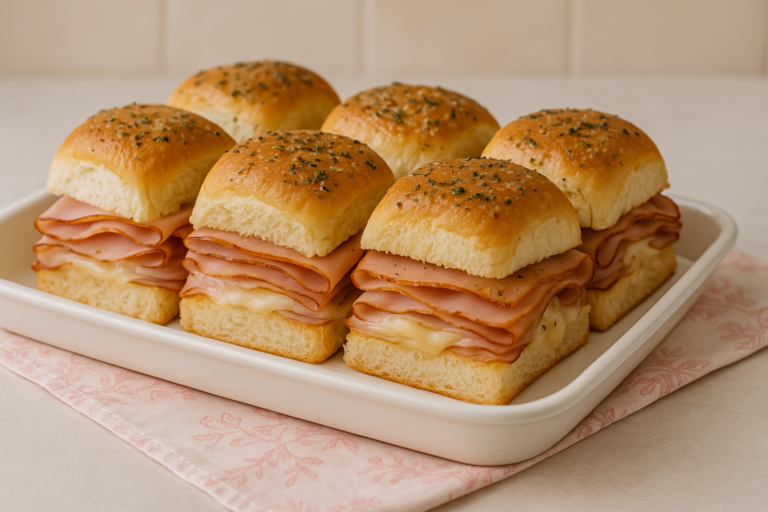
Tuesday – Pull-apart Sandwich Rolls
Soft and delicious (perfect at 24-48 hours)
Midweek – Hoagie Rolls
Yummy and perfect for holding fillings (perfect at 48 hours)
Not every bread should come from one dough — and that’s wisdom, not failure.
🌾 Flour Matters (But It Doesn’t Have to Be Confusing)
- Strong flour (like bread flour) supports yeast breads and slow fermentation.
- Soft flours shine in biscuits and pie crusts.
- Blending flours is often better than switching entirely.
Knowledge prevents waste more than perfection ever could.
🍞 Six Best Ways to Use This Dough
This dough is meant to work with real family life. Below are the six most reliable, well-suited ways to use Mrs. Clay’s Everyday Dough Day Bread Dough — chosen for consistency, familiarity, and flexibility.
1️⃣ Soft Yeast Dinner Rolls
Best timing: 24 hours cold ferment
Why it works: Mild, pillowy, and comforting — this is the dough at its gentlest.
2️⃣ Slider Rolls
Best timing: 24–36 hours
Why it works: Soft but sturdy, perfect for soup nights and simple sandwiches.
3️⃣ Pull-Apart Sandwich Rolls
Best timing: 24–48 hours
Why it works: Baked close together, they stay tender and tear beautifully.
4️⃣ Soft Hoagie-Style Rolls (Everyday Subs)
Best timing: 36–48 hours
Why it works: Holds fillings well without becoming tough or crusty.
5️⃣ Small Dinner Buns (Mini Sandwich Buns)
Best timing: 24–36 hours
Why it works: Perfectly sized for children and lighter meals.
6️⃣ Savory Herb Rolls
Best timing: 24 hours
Why it works: The neutral dough welcomes gentle flavor additions like herbs or garlic.
This dough is not meant for pizza, crusty artisan loaves, bagels, or Hawaiian-style sweet rolls — those deserve their own recipes.
✨ A Thought to Close the Day
Cooking well isn’t about doing more.
It’s about doing what serves your family best — with calm hands and a willing heart.
Bread teaches patience, flexibility, and care.
And those are lessons worth passing down.
🍲 From My Recipe Box to Yours
And now, my friend, let’s gather all this goodness into a tidy little recipe card — the kind you can tuck into your apron pocket or save for a rainy day.
Mrs. Clay’s Everyday Dough Day Bread Dough
Yield: 1 large batch dough (12–15 rolls or buns, depending on shaping)
Ingredients
- 4 cups bread flour (King Arthur recommended)
- 1½ teaspoons salt
- 1½ teaspoons sugar
- 1 teaspoon instant yeast
- 1 cup warm milk (about 100°F)
- 2 tablespoons butter, softened
- 1 large egg
Optional: Replace up to ½ cup of the bread flour with 00 flour for extra tenderness.
Instructions
- In a large bowl, whisk together flour, salt, sugar, and yeast.
- Add warm milk, softened butter, and egg.
- Mix until a soft, slightly tacky dough forms.
- Knead gently until smooth and elastic, about 6–8 minutes.
- Place dough in a lightly oiled bowl.
- Cover tightly and refrigerate immediately.
Cold Fermentation Notes
- Use after 24 hours for soft rolls and mild flavor.
- Use up to 48 hours for deeper flavor and stronger structure.
- Dough should smell clean and lightly yeasty, never sharp.
To Use
- Let dough rest 20–30 minutes if it feels tight.
- Shape as rolls, sliders, or buns.
- Proof until puffy, then bake according to your recipe.