🐔 When the Feathers Fly 🐔
Caring for Chickens During Molting Season
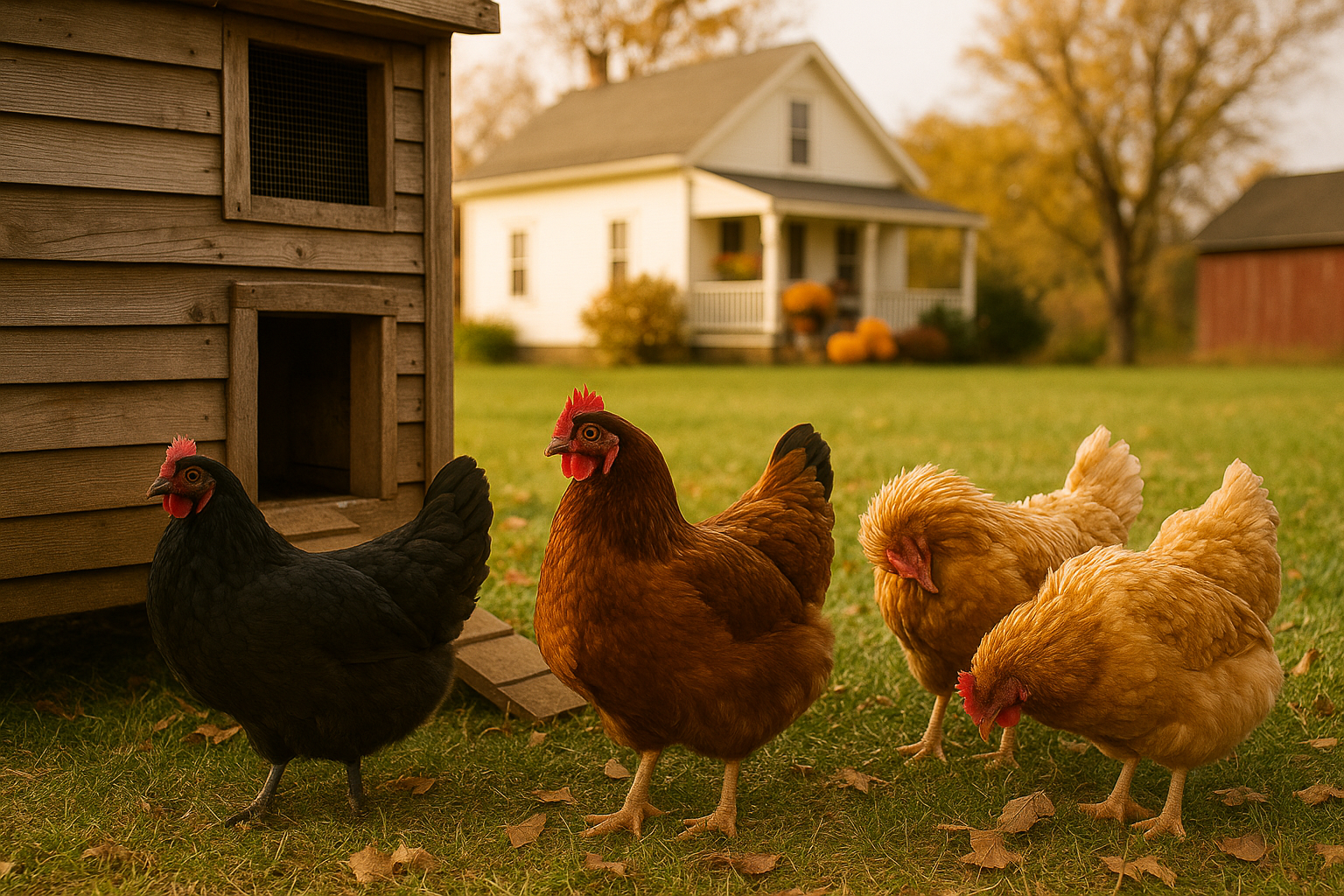
As the weather turns cooler and the days grow shorter, our sweet hens begin their yearly transformation — the molt. It’s a natural process (though it can look a little alarming at first!) where chickens shed old, worn feathers and grow fresh new ones for the season ahead.
If you’ve noticed a few bald patches in your flock lately, don’t worry — they’re not falling apart, they’re just renewing their wardrobe for winter. 💕
🌾 Why Chickens Molt
Molting happens every year, usually in late summer or fall, as daylight hours decrease. Your hens’ feathers wear down from sun, scratching, dust bathing, and all their everyday adventures. Molting gives them a chance to replace those old feathers with strong, insulated ones that will help keep them warm through winter.
Think of it like a cozy reset — nature’s way of saying, “Let’s get you ready for the cold.”
🐔 Why It’s Important
Feathers are more than decoration — they’re protection. Healthy plumage helps regulate body temperature, shed rain, and even guard against injury. A good molt keeps your hens comfortable, warm, and well-prepared for the chilly months ahead.
🍳 What Happens to Egg Production
During molting, your girls will likely take a break from laying eggs — and that’s perfectly normal. Producing new feathers takes a tremendous amount of protein and energy, so their bodies naturally redirect those resources away from egg production.
It’s like a little “rest and recharge” phase — when their new feathers are fully grown, they’ll start laying again stronger than before.
🐥 How to Care for Your Flock During Molting
Molting can make your hens feel tender and tired, so a little extra care goes a long way. Here are some ways to help them through it:
- Boost their protein. Feathers are made of keratin, a protein, so adding high-protein snacks helps. Try scrambled eggs, mealworms, black oil sunflower seeds, or a special molting feed.
- Handle with care. New feather growth (“pin feathers”) can be sensitive. Avoid picking up your hens unless necessary — gentle is best.
- Keep stress low. Limit changes in their environment. Consistency in feeding, lighting, and coop routines helps them stay calm.
- Clean, dry shelter. With fewer feathers, they can chill more easily. Make sure their coop is draft-free and well-bedded.
- Fresh water always. Proper hydration supports feather regrowth and overall health.
🌻 Extra Comforts for the Cozy Coop
I like to scatter a bit of scratch grain in the late afternoon to keep them busy and warm before bedtime. A light layer of straw in nesting boxes and a sprinkle of herbs (like lavender or mint) can make the coop feel cozy and fresh while they’re in their “spa season.” 🐓💗
You can also add a little apple cider vinegar to their water once a week for an immune boost.
💕 In Closing
Molting might look messy, but it’s a beautiful reminder that our hens are part of the rhythm of the seasons — shedding the old and growing something new. With a little extra protein, patience, and cozy care, they’ll soon be back to their glossy, happy selves, clucking through the garden once again.
Here’s to fresh feathers, warm coops, and peaceful mornings in the henhouse. 🐔✨